
November 18, 2026
Season 1 Episode 4
Care Deeply, Lead Clearly: Randy Riemersma on Emotional Safety and Accountability in the Workplace
Executive coach Randy Riemersma joins Tim Carroll to explore why emotional safety and high performance standards belong together. They talk about the difference between caring for your people and being their friend, why keeping low performers costs you your best talent, and what remote work is taking from the next generation of leaders. Honest, funny, and full of hard-won wisdom from 37 years of leading teams.
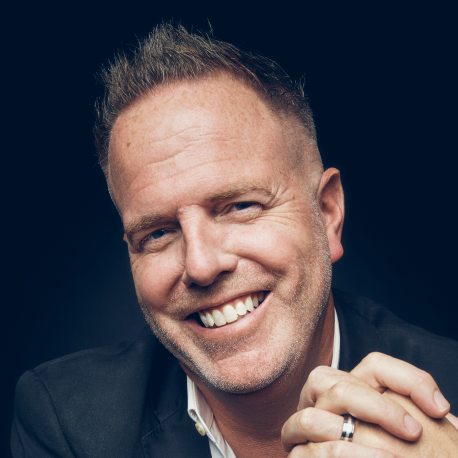
Tim Carroll
CEO Lyric Workplace
Best Selling Author

Randy Riemersma
Founder
Sell with Precision


Episode Sponsors


Synopsis
What does it look like to care deeply for your people and still hold them to a high standard? According to executive coach Randy Riemersma, those two things were never in conflict.
Randy is the owner of Sell with Precision and has spent 37 years leading and coaching sales organizations, including leadership roles at Salesforce and Sitetracker. In this episode of Harmony at Work, he joins Tim Carroll for a candid conversation about leadership, culture, and the experiences that shape great leaders.
For Randy, harmony at work starts with emotional safety. When people feel safe, they tell the truth about their deals, their challenges, and their performance. That gives leaders real information to act on. Without it, teams hide problems until it’s too late.
But emotional safety is not the same as friendship. Randy makes a bold case: if your goal is to be friends with your employees, you have a flawed goal. Leaders who protect low performers because they’re liked send a clear message to everyone else, and the people who hear it loudest are the high performers. They notice, and eventually, they leave. And if a low performer stays because they’re “good for the culture,” Randy argues, you had the wrong culture to begin with.
The conversation then turns to how leaders learn. Tim and Randy reflect on the classic “teach me, show me, let me do it, tell me how I did” model and how remote work has weakened it. Some of the most important lessons in a career happen elbow to elbow: in the war room, in the hallway, and in the ten minutes after a meeting ends, when the real decisions get made. An org chart shows you titles. Only experience in the room shows you where the power actually sits.
That’s why Randy encourages every professional under 40 to find a mentor with scar tissue: someone who has made the mistakes, learned from them, and is eager to pass that wisdom on. As Tim puts it, anybody can manage. Fewer can lead. Even fewer can mentor.
Finally, they tackle one of today’s biggest leadership questions: how do you balance giving people the flexibility they want with the development they need? Randy’s answer is simple. If you want a happy team, invest in them. Understand what motivates each person, build a path toward their goals, and create an environment where expectations and culture actually match. A ping pong table no one is allowed to use tells your people more about your culture than any mission statement.
The result is a conversation about leadership that is honest, practical, and deeply human, and a reminder that the places where we work together still shape who we become.
Full Transcript
Randy Riemersma (00:00): If your goal is friendship with your employees, you have a flawed goal. If you have
Tim Carroll (00:04): Amen.
Randy Riemersma (00:05): a goal of having caring relationship that is performance-based, that is development-based, look the number one thing.
Like at a leader level, one of the most important things we do is develop our people. If we are not developing our people, then we are failing as leaders.
Tim Carroll (00:17): Welcome to Harmony at Work, brought to you by Lyric Workplace, where we explore how great companies align culture, performance, and the workplace to create environments where people and businesses thrive. Today, I’m joined by Randy Riemersma executive coach and owner at Sell with Precision. Randy helps professionals and leaders sharpen their skills, unlock their potential, and achieve greater results through intentional coaching and personal development. Today, we’re exploring the power of mentorship, the importance of human connection, and why some of the best parts of work happen when we’re together. Let’s get after it.
Tim Carroll (00:56): Randy, Randy, Randy, thank you so much for joining us today. I leadership coach, sales management expert, but more importantly, I will tell you I am proud to call you friend. We have had many conversations over the years, and I am so excited. I have had this one circled on my calendar for for quite a while. So thank you for joining us.
Randy Riemersma (01:16): Dude, I I was like right there with you until you said the word expert. I never want that label. I am a guy
Tim Carroll (01:21): Okay.
Randy Riemersma (01:22): that curates. I’m a guy that supports. like you’re Luke Skywalker. I’m Yoda. Expert. I’m not comfortable with that one. But other than that, I am delighted. We have known each other now for a little over 10 years. And I have been so excited to support you and watch what you are doing in the world and just say that I’m so proud of you. And I am glad to be here today to if I if there is wisdom I can dispense. Mostly through scar tissue mistakes that I’ve made. I’m delighted do that for your audience.
Tim Carroll (01:47): Well, you have a new title now, Sales Management Yoda. So there you go. We’ll we’ll do we’ll do
Randy Riemersma (01:51): There you go. S. M. Y. Boom.
Tim Carroll (01:54): that. All right. Let’s dive in here. And this is kind of a question that I start out every episode with so we’ll we’ll start with this one. You know, of course the name of the show is Harmony at Work. And when you think about developing people, leading well, achieving results and building a healthy culture, what does Harmony at Work look like to you?
Randy Riemersma (02:12): I’m going to answer this question in several ways. One is emotional receptivity, harmony at work. What does that mean? So for me, and I work with a lot of organizations, I tend to work in the B2B sales space. Think tech firms. Like I worked at Salesforce for years, I worked at Sitetracker for a while. I tend to work in the technology sector. So this tends to be like maybe over-exaggerated, the importance of this. but harmony at work. Is emotional safety for me. And one of the things I coach people on all the time is the importance of emotional safety. And people are like, you know, Randy, that’s kind of squishy, whatever. But I’m like, look, if you’re a sales leader and you’re working with a team of individual contributors, if they don’t feel emotional safety, they’re not gonna tell you the truth. You’re gonna be talking about a deal and they’re gonna lie. You’re gonna be talking about a pipeline generation program and they’re gonna lie. So to me one element of harmony at work is emotional safety. We need to as leaders, and I am like bang on this one. this is our job. As leaders, we must create a space, harmony at work, that allows emotional safety. Therefore, because one of the things I talk about to a lot of people, I’m like, look, things are neither good nor bad. They’re merely true, right? But if there’s not emotional safety, things are good and things are bad. And you get rewarded for one, you get punished for the other. Yes, there are good and bad things. And I’m not trying to, you know, overly placate that. But if there is emotional safety, like if I am an individual contributor and I’m working for an L1 leader of some sort. Whether it’s in the your world of selling office furniture, office equipment, or my world of B2B sales, tech firms. If there is harmony at work in the sense of emotional safety, we are having such a different conversation than if there’s not, right? And the benefit for you as the leader, it’s not like squishy stuff. It’s like, look, I’m actually getting real transactional information that I can now process as I look at how I do my job. When we create an environment, whether it’s physical, whether it’s emotional, where people feel safe, they can connect, you’re gonna get a whole different level of information and connection with them than if it’s not. I mean, you know, I work I serve for a lot of different companies. I have seen both. And the one where it exists is radically different than the one where it doesn’t. And there’s some things that people aren’t thinking about that, you know, are like, you know, secondary, tertiary benefits of that.
Tim Carroll (05:38): I wanna touch on that before you move on to something else because I want you to speak to I think the Gen Xers and Older where I know ’cause I’m one of them, leadership management was taught Hey, keep a arm’s link distance from your employees, don’t get too close. You’re setting yourself up for HR trouble. don’t get too comfy with your employees because and get to know them too much or there can be problems. you need to be able to I mean quite frankly, you need to be able to let them go and they’re not your friends and you have no emotion with it. Reconcile that, and I’m not saying that’s right. I feel the shift years ago happening more towards this emotional safety, but help that individual with this transition to being a little more closer to the emotional safety side.
Randy Riemersma (06:27): Okay, so for everybody listening down, if you’re watching this on video, you can obviously tell that Tim is a handsomer, younger, more charming version of me. I am I am the last year of the boomers, right? So I’m 1964, I’m 62 years old right now. I grew up in a family where we did things, but we didn’t feel things. And I’m gonna tell you right now, that was not a positive experience for me. That was that came with a lot of cost. I do not think these ideas at all are mutually exclusive. I am a performance person. I have expectations. you’re going to drive to certain things. We are going to do certain things. And I’m gonna create an environment where it’s okay for you to say things. Now, it doesn’t mean that it’s okay for you to miss your number. it doesn’t mean it’s okay for you to not perform at a high level, but I do want to create an environment where we can have a real conversation where it is safe. We can disagree vehemently, but it’s a safe space to have that conversation. So I think for the folks that are of my generation, you know, I’m the last of the boomers, you, you know, and I think you’re a Gen Xer. Those of us that are more like maybe we’re told to be a little emotionally detached, I think that is such a flawed model. Such a flawed model. I’m telling you what, I have fired a lot of people. Like I had a big job at Salesforce, I had a job at Sitetracker. I have let go a lot of people in my life. I mean, in the last my gosh. Have I been doing this for 37 years? Did I say that out loud? I’ve like a lot of people, and I don’t feel any remorse. My view, because of emotional safety and because we’re like having real conversations. I let somebody go, I’m actually not letting them go from the current role. I’m releasing them to the universe for a role that they can actually feel fulfilled in. In our older generation, it’s like, gotta fire this person. I don’t view it that way. I care for these people deeply. Look, I use the L word a lot. I love my people. Like when I served your team in Nashville, God, was it nine, ten years ago? I care deeply for your teams. You know, I remember some of those people. I still stay in touch with some of those people today because I cared about them. But it doesn’t mean I’m not gonna fire them, right? Those two things they do not conflate, one does not conflate the other. Because I have emotional safety, because I care deeply for you, and I’m running a performance organization. If you don’t measure up, I gotta release you back to the universe. Does that make sense when I answer it that way?
Tim Carroll (08:44): it does, absolutely, and I love it. it does lead itself a little bit to the conversation. So I have a crazy enough have a TikTok handle that I am too old to be doing, I promise you, but but it has hit a nerve only in as much as there are employees out there that are very disgruntled about high performers getting all the weight, all the expectation, doing all the work, and low performers sliding through. And what a lot of them, and it is you can find me at the Tim Carroll on TikTok, and there’s a lot of videos, but there is thousands and thousands and thousands of very well thought out and articulated stories from people and a lot of them are talking about how they’ve their bosses are friends with these low performers and that’s why they keep staying with them and that’s why they don’t fire them. They’re low performers but they’re friends with those people and so interestingly you’re talking about loving your employees I agree with that. Is there a place and a time when that could ultimately be misconstrued as, hey, you’re friends with that person and they’re a low performer and they are not held accountable to the expectation that I am as a high performer?
Randy Riemersma (10:01): Yeah, no, I it’s a great question. and I would love to speak very clearly to that. Because I care for you does not make me your friend. And because you care for me does not make you know, you my friend does not create that r any sense of reciprocity. caring and getting, and I will call friendship, and by the way, I’m about to piss off a lot of people on your podcast. If your goal is friendship with your employees, you have a flawed goal. If you have a goal of having caring relationship that is performance-based, that is development-based, look the number one thing. and again Tim you know me a little about I’m just a dumb guy from Pittsburgh so I gotta shrink things down. Like at a leader level, one of the most important things we do is develop our people. If we are not developing our people, then we are failing as leaders. If we are creating friendships with people that cause us to make bad decisions, I tell you what man, I coach a lot of leaders and they have got high pose on their team, high performers on their team. And if you want to lose respect to that high performer, if you want that person to leave your organization, keep low pose around, right? Treat them like special people. Like there are no special people. I care deep again. I’m gonna say this over and over and over on this podcast today. I care deeply for people, and at the same time, I hold up a performance standard. And those things are not disingenuous, they’re not incongruent. What does become incongruent when I create an inappropriate friend-like family. Like when when people say our organizations like family, that’s a red flag to me. That’s a red flag. Because I don’t work for family. I don’t fire family. Like I’m not gonna call my mom up and be like, hey mom, you’re fired. Or I’m not gonna call my son up and be hey, you know what? Your KPIs aren’t where they need to be, you’re out, right? That’s not what work is. Work is a place where there’s respect. There’s there’s appropriate level of affection and caring, and there are performance standards. And that’s what work is. So when you got a leader that like coddles or carries forward low pose, low performers, your high pose are gonna be like, I’m out. And that is not a good thing, because that’s the most, I mean, you know this, that’s the most expensive thing that an organization could do is watch your high pose walk out the back door.
Tim Carroll (12:03): Yeah, and I I look, I’ve worked for companies that the ultimate leader allowed people that were everybody in the organization, they protected them even though everybody in the organization knew they were low because here’s the tipping point, they’re good for the culture of the company. People like them as people. And so if we get rid of them, then the culture is gonna change and I feel as if the culture was changing because they were allowed to stay.
Randy Riemersma (12:31): Dude, I mean, you went straight to my punchline. If that’s the reason you kept them, you had the wrong culture.
Tim Carroll (12:36): Right.
Randy Riemersma (12:37): We got the wrong culture. by the way, every culture, people are like there’s good culture and there’s bad culture. I don’t think there’s good culture and bad culture. There’s culture. Organizations have cultures. Like, for example, the high net worth investment advisors in New York wearing the like the $3,000 suits. That’s a sharks in the blood in the water culture, right? But you know that when you’re going in, right? Or at the other end of the spectrum, you’re like much more of a like, you know, look. Pressure, and I’m not going to call it any any industries because I don’t want to offend anybody, but it’s a lower pressure, you know, whatever it might be. That’s the culture, and that’s good. if your culture is saying we are celebrating incompetency, we are celebrating non-performance. friendships matter more than corporate performance. you’re setting the tone that is going to I always ask people when you’re hiring people what’s your lure in the water? Like why would someone want to come work for you? Is comp plan right? Is your you know your training plan right? Is your blah blah blah right? What lure am I putting in the water? If you have a lure that says, you know what, you don’t have to be a performer here. You just have to get along with everybody and everybody has to like you and you’ll be okay. that’s not a good lure in the water.
Tim Carroll (13:44): okay, let’s move to a different topic. So there is this training model that I learned many, many, many, many years ago. The teach me, show me, let me do it, tell me how I did model. And I find that still to this day a very good model. Someone teach them and teach me, show me, let me do it, tell me how I did. And do you feel as someone that’s in a lot of different organizations that that is changing because of the virtual environment?
Randy Riemersma (14:13): I think it’s changing for two reasons. and I don’t approve of either one. I think the virtual environment is a big loss because you’re not just elbow to elbow with people the way you used to be, right? So that sense of you know, My job is like you’re Luke Skywalker, I’m Yoda. My job is to walk beside you experientially and help you get through the, you know, the the swamps of wherever Luke was. I can’t remember where it was. or be a guiding force for that. if you’re not in the office, it is just hard to do. Cause Zoom is Zoom is great. GMeet Teams, whatever it is, Zoom is great, but it cannot replace that. so that’s one thing is missing is the elbow to elbow part. And I think and you’re not asking this, but I’m gonna throw this out there as well. Is I find there are a lot of leaders that are abdicating the responsibility to AI. They’re like saying, Hey, you’re prospecting, go find you know, go ask Claude, go ask you know, ChatGPT, go ask, you know, Perplexity, what does the CIO in this space care about? Right? Whereas experientially, that’s a good input, but then there’s also experientially, look, I’ve been punched in the face. By most of the CIOs in the Fortune 100. That you cannot replace that experience. There’s no AI search in the world can replace that. And I’ll leave some names out of here, but there was a deal I did with a large, largest bank in the world, with a wonderful CIO. I worked 18 months to get to this meeting, and this person, not guy or gal, punch me right in the face, right? But I knew what to do with that, so I took the punch. I came back. You’re not gonna get that from an AI prompt. You’re not gonna get that if you’re leader and you aren’t in the board, you know, in in you know I always like the war room around deals and stuff like that. I just feel like I we miss that. Like you know, you remember the like the whole wall is like whiteboard and you’re like you’re writing it all out and there’s the org chart and there’s this person over here and they hate us and Jimmy needs to call them and we need to get to see whatever. If you’re not in the office, you don’t get that stuff. That stuff does not happen on Zoom. And it never will happen on Zoom. Zoom is just not capable of that. It’s just a limitation. So when you lose that elbow to elbow, the scar tissue that I have built up over the years. I mean, people hire me for my process and all this other stuff. I’m like, you’re hiring me for my scar tissue. I’ve made every mistake on the planet. I’ve learned from it and I’m gonna help your people not make that mistake. Or you’re a leader and then you’re like, you know, we’re all remote, so I advocate the responsibility to AI. I think think it’s huge loss for the people that are out there in the field that are doing the work. So I think there’s two problems. One is the AI abdication. The other one is you’ve got to be in the war room talking about the deal and I just haven’t found a way to that anybody has made that happen. where we’re not under the same set of fluorescent lights.
Tim Carroll (16:46): you know, I just recently, this is very recent, lost a project, and the last presentation was all virtual. And it’s difficult. I think I would have won it had it been in person. and because first of all, you know, 80% of communication is non-verbal and you’re missing everything if you’re only seeing people from the shoulders up. But the other thing you’re missing, and I’ve heard you talk about this before, but the other thing you’re missing is understanding where the power center lies. It’s tough to do virtually and to sit in a room and understand who is carrying that power in that room and who do I really need to in some ways cater the presentation to and really vibe off of their reactions more than maybe the others in the room.
Randy Riemersma (17:30): so LinkedIn Navigator will build an org chart for you, right? You know, there’s tools that are out there that’ll build an org chart for you. But none of them build a power chart, right? And you and I were talking about this a little bit before we got on the call. and I do want to say this out loud. I mean, as a person of a generation, again, I’ve been walking halls for a very, very long time. There’s an age group, let’s draw a line. I’m gonna say maybe 35 and lower, that has not, because of COVID, because of work from home, because of some other things, they have not had an in-person walk the hall, understand the floor, know the building kind of a mindset where you know not only the org chart, but you know the power chart. I am proud to say this. Like I can walk onto the floor of a building. I’d go to different, you know, Salesforce offices all over the country and I I could walk in, walk the walk the floor one time and I knew where like, that person’s in power, she’s got she controls all these things, blah blah blah blah bum. And be if you’re not in per you lose that and then you’re on a zoom call. And you’re making some assumptions and you look at the org chart and you’re like, well, Tim’s the CEO, therefore he’s the power base. But you know what? It’s Jimmy or Sally that’s in the corner. And when everybody defers, like, you know, when you come into the office and like Sally, who is a, you know, tier one, whatever, but she’s got this huge space in the corner, you’re like, there’s some power over there. Right. And you know that, but that doesn’t show up on the org chart. And I think the work from home, some of these things, you lose that skill. And I’m telling you what, dude, and I’m gonna say this out loud on a podcast, I have made millions and millions of dollars because I could read the power in the room. And if you don’t have that skill, and I think so many of the like the 35 and undercrowd, they’re not being they’re not just ex they’re just not experiencing that because it’s coming across Zoom and they’re using clinical things like just pure or charts and Zoom info and what Salesforce Navigator built for me.
Tim Carroll (19:16): And and here’s the thing, where are they learning this? So that younger employee who is working from home, where are they getting how are they getting mentored about how to walk halls and understand where the power lies? How are they getting mentored to understand what happens in a meeting when the meeting finishes, the camera gets turned off, and everybody stands up who are present? And they start having side conversations that probably are as much, if not more, important than the one that just happened.
Randy Riemersma (19:47): And not probably are, right? The debrief
Tim Carroll (19:48): Yeah.
Randy Riemersma (19:49): meeting, when the when the camera goes off, the c you know, the mics come off, the next ten minutes determine the deal, right?
Tim Carroll (19:55): Yeah.
Randy Riemersma (19:56): And if you’re not in that room, right, I’m trying to be, you know, reasonably politic here, and this will sound like ageism. if I’m a thirty-five-year-old sales rep and I’m working for a 35-year-old manager, you don’t have you don’t have there’s just not an experience base to tap into. You used the word mentor before. I used the word like, know, Luke Skywalker, I’m Yoda. I would encourage everyone that is listening to this call, find a senior mentor that’s 10, 5, someone that you would technically wash off. Go see that person and have them and talk to them about like power bases in room. how do you read that kind of stuff? Because there’s a lot of like, I think you’re what, 50-something? I’m 60 something. There’s a lot of experience that are sitting on the sidelines that are eager to teach and share experience. If you get a 35-year-old talking to a 35-year-old who doesn’t actually know that that’s even part of the play, it’s like a part of the playbook that they don’t even know they have. I would encourage anyone that’s a salesperson that’s like 35 or 40 or younger, find a senior mentor and talk about some of these things. Because I like a dude, I said it. I’m not you know me, I’m not that bright. I’m just a hardworking dude from Pittsburgh and I’ve stolen millions of dollars from people because I can read the room.
Tim Carroll (21:06): if you’re building a company, you don’t want to get a mentor that has started four or five companies and run them all into the ground. You want somebody that has done it, had some success. You want to find somebody that is out there. anybody can manage. Fewer can lead, and even fewer can mentor.
Randy Riemersma (21:24): Yeah, I was hoping you were gonna go there with a third statement. Absolutely. and please, do not hear any disrespect for like a young guy like Sam Altman and what he’s doing at OpenAI and you know what
Tim Carroll (21:34): Right.
Randy Riemersma (21:35): Zuckerberg has done and you know, all these other people have done. Tremendous amount of respect, right? These are amazing people, they’re disrupting.
Tim Carroll (21:41): Before you go on, can I just say Zuckerberg, I bet you money, he’s a better leader today than he was fifteen years ago. You know what I
Randy Riemersma (21:48): Totally.
Tim Carroll (21:48): mean? He’s learned things. I think he was I mean, he had no skills as it came to come to live when Facebook first came out.
Randy Riemersma (21:54): We’ll just call him brash. We’ll just call young and brash.
Tim Carroll (21:56): Yeah. But he’s had some punches thrown at him now.
Randy Riemersma (21:59): Yeah. Yeah, I mean, so like, you know, no disrespecting these young guns. I think it’s amazing. Like, we need Sam Altmans of the world. We need those people, right? They they’re critical. And we need old guys like you and me mentoring young people as they’re coming up to say, look, there’s some scar tissue, and this has some asset value. I also know this to be true because I know your heart and I know my heart, and a lot of other people out there. I’m delighted to meet with people and share my scar tissue. Right? you know, like I said, people hire me like my process, sure, but it’s actually the scar tissue because I’ve made every mistake on the planet and I’ve learned from it. That has a lot of asset value. And I think you’d be foolish as a 35, 40-year-old or younger, not find someone that has that scar tissue and actively. Glean wisdom from that. What is it? It’s funny. I was I wisdom. I was watching a video of Jack Ma this morning. He goes, there’s so many smart people out there. He goes, smart people are worthless. I want wise people because smart people know what they want. Wise people know what they don’t want. And he goes, we need more wise people. Less smart people. We need more wise people. And you only know what you don’t want when you’ve been through the grinder.
Tim Carroll (24:04): I love that. Yeah, yeah,
Randy Riemersma (24:04): Because that’s why you don’t want is the grinder.
Tim Carroll (24:08): yeah, yeah. So all right. No intention today, and we’re we’re coming to the close of our time, but no intention today was this supposed to be I no we I had no really gauge as to how this conversation was gonna go. Does kind of have a generational kind of conversation here. And and the last the the last question is in line with that. but leadership today puts a lot of emphasis on flexibility and in the employee experience. So we’re all very concerned as leaders to make sure that I mean all of us that lived through the great resignation of a handful of years ago, we’re all still gun shy and wanting to make sure that the employee experience is good at your organization. the preface of this is we’re all so concerned, I think, most leaders, with trying to create an employee experience because we want people to be happy, we want them to stay. We got to a point where that kind of you know, the pendulum swung so far that that it was everybody the more you gave the more people wanted. But leadership today puts a lot of emphasis on flexibility and employee experience. How do leaders balance giving people what they want today with giving them the experience they need to become who they’re capable of becoming tomorrow?
Randy Riemersma (25:21): thank you again. that’s a lovely question. So I think there’s a couple answers in there. one of them you say what they need to be I’m gonna answer in reverse. So one of them is what they need to become tomorrow. If you want I and I know this to be true, if you want a happy employee, develop them. Right? And I say this to sales I say this to sales leaders all the time, whether, you know, they’re like, I don’t have time to, you know, work with Tammy or Sammy on a development plan. I’m like, look, every fiscal year deserves a better version of us than the last fiscal year got, right? We need to develop our people. So working backwards for someone to get to where they want to be, we need to know where they are. Calibrate that. We want to know where we want them to go. We need to know where they want to go and then build a path towards that. And there’s going to be development in there, right? Because I would never want to take a job that I was perfectly capable of doing, right? I need to get developed for that. So I think working backwards where they want to be, if you want a happy employee, invest in them. And I would just like if you heard one thing from me today, delete everything else. If I’m a leader and I want a happy team, invest in your team. Help them be better today so that when you release them to the universe, right? You know, what’s the joke? Like what what if we train them and they don’t you know and they leave? Then the the other the other side of the joke is well what if We don’t train and they stay, right? So if we train people, if we develop them, if we understand what their personal goals are, and this is a big part of it, we have to understand what their personal goals are. Some people want to work less, right? Some people want to make more money. Somebody else wants to buy a house for the first time. Somebody else wants to buy a diamond ring so they can get engaged to their, you know, their their girlfriend. They have different personal goals. We need to understand those and factor that in. I’m a I don’t want to work more. Like if you called, if you come to me and say, hey Randy, you know what, work an extra 20 hours a week and you make an extra 200 grand a year, I’m gonna be like, I am so not into that program. Right. I want to serve deeply where I can. I want to get paid highly for what I do. And I do not want to do anything that’s average level. Okay, so that’s like that part. Then I think it goes back to expectations in the workplace. And this is opt this a little bit of a, I’m gonna say, an opt in, opt-out kind of a mindset. I think one of the things that we need to do, here’s I see this a lot of companies do this. They put pool rooms and ping pong tables in the lounge area, but nobody’s allowed to use it. You’re sending an inconsistent message, right? I want like, you know, if I were to open a space, like I’d want collaboration spaces if they’re comfortable. I’d want like a lot of whiteboards where we can like write stuff out. But I think what people need is they need a consistent environment that sets a tone that they can opt into or opt out of. I’m a performance guy, right? I I work in sales. So making your number is just like the baseline requirement. So that’s what we’re gonna optimize for. If that’s not what you want, then I’m not the guy to work for. But I think if we create an environment where the expectations and the environment are consistent across each other, like I don’t know how many ping pong tables I see that have not been played in three years, you’re setting a false expectation. You’re setting an environment, like people see that when they interview and they’re like, ping pong, but there’s no ping pong play. Right. So having the an authenticity, a congruency between these are the expectations, this is our environment, this is what our performance levels are, and I Think this really important, and I don’t care how you get there. I don’t care how you get there.
Look, I’m an early morning guy. You want to have a conference call with me at five o’clock in the morning, I’m your guy. If you want to talk to me at six o’clock on a Thursday night, I am not your guy. I will not be available. that just is the thing. But if you need me, if I work for you and you need me to generate a million, two million dollars in software sales, don’t ask me how I mean we’ll go through the how I’m going to do it, but path of that’s gonna be different than someone else’s path. And I promise you my path is gonna look like probably a reasonable amount of Saturday and Sunday work because I really like working on the weekends. I hate Fridays. I do not like working on Fridays. So if you want me to work for you and you want me to work hard for you on a Friday I bad news. Ain’t gonna happen. But like Monday through Thursday, you got me for 10 or 12 hours. You’re gonna get five to eight hours from me on the weekend, but I’m probably not gonna work very hard for you on Friday. answering your question probably a little bit more in like one sentence we need better congruency and authenticity authenticity with what the actual contract is right Two million dollars in software, Randy. Go get it. Great. Here’s how I’m gonna do it. And if you want me on Friday, no. If you want to talk to me on Saturday, I’m your guy. If you want to talk to me, no, whatever. I think that contract, that expectation, I think there’s an incongruency and a lack of authenticity, ping pong tables, et cetera. I think that’s a real big problem. But if you say this is the requirement, end state outcome, how you get there is a little bit up to you. We’re gonna work collaboratively on that. I think you can have a very positive environment. And then you invest in those people, giddy up.
Tim Carroll (29:48): your passion is what wins the day, I promise you. I will I’ll tell you this. Development is the secret sauce. Any success I’ve had in my career, it’s been because I focused on developing the people around me and a rising tide lifts all ships. The other thing I’ll say I like though you were saying goals. I look at it as motivation. What mode is motivating my I always try to find out what is motivating the people that I’m entrusted to lead. and the last thing I will say I know you don’t like Fridays. I’m a very appreciative on this Friday you put in the work. This has been awesome. Randy Riemersma, thank you so much. How can people find you? Where where can they I and you said invest I highly encourage it will be money well spent. Search Randy out. Bring him into your organization and let him help your team lead because it is money well spent.
Randy Riemersma (30:40): Well, you know, Tim, I don’t like working on Fridays. but I care in a very appropriate way. I care deeply for you and what you’re doing at Lyric. And I just I’m so excited to watch you grow. I’m glad to be one of the people that bought your book. I’m so excited you got so many hits on TikTok. I gotta tell you, I have zero hits on TikTok because I’m not on it. I have zero hits on Facebook because I don’t have a Facebook account. First l let’s create the qualification why you would want to reach out to me. one, I try to be a little bit provocative about some stuff. I posted a thing on LinkedIn about weed and cartoons yesterday. That was a lot of fun. but if you’re running a sales organization, you care deeply about salesperson development, if you care about deal progression, big deals, things like that, if you care about pipeline generation, I will say I think I can swim at the elite levels and that kind of thing. So if that’s interesting to you, reach out to me. Super simple. Randy at sellwithprecision.com. I’m sure Tim may put my LinkedIn Randall
Tim Carroll (31:33): You will.
Randy Riemersma (31:34): Riemersma in the show notes, but Four zero four, three zero seven, three two zero one, and my favorite color is blue.
Tim Carroll (31:42): And with that, thank you, Randy. We really appreciate having you on.
Randy Riemersma (31:46): Thanks, Tim. Loved it, man.